 |  |
|---|
| |
|---|

More Iranians Surf the Web:In 1999, only 500,000 Iranians had access to
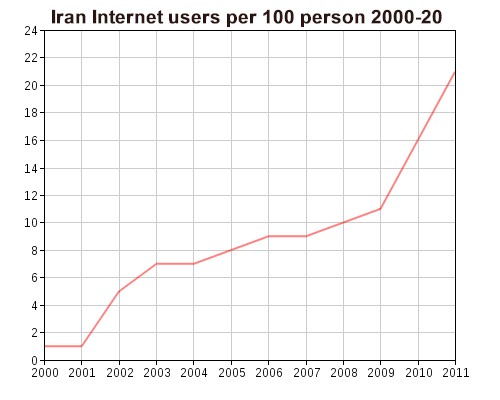
the Internet. By late 2003, the number was estimated to be over 2 million. By mid 2011, it was estimated that Internet use and access in Iran had reached 21-22 per 100 in the population, translating to 16-18 million internet users by 2011. At the end of 2013, it is estimated that over 20-22 million Iranians use/access internet on regular basis. These estimates are for Iranians living inside Iran and
does not include web surfers among the 5 million Iranians who live
outside of Iran. For many, the web is the easiest way to make contact
with the outside world.
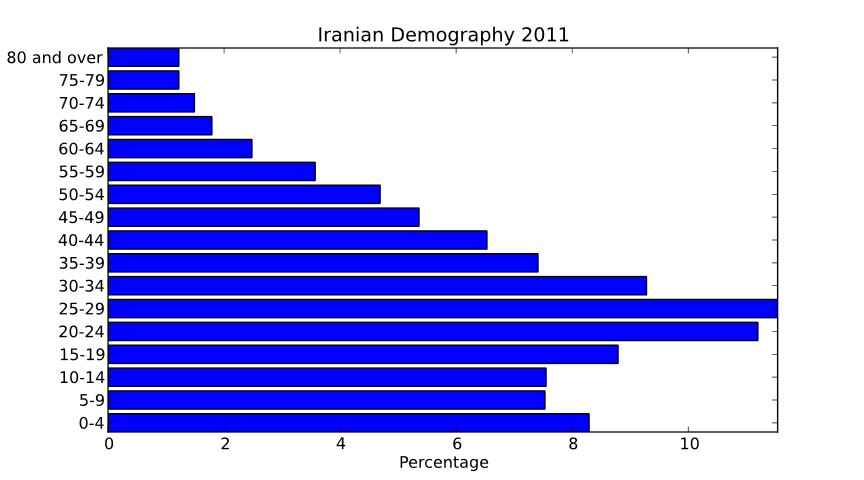
Considering that over 55% of Iran's population are under the gae of 30 and about 75% under the age of 40 - there is the potential for much greater internet use in Iran - perhaps double the current levels (40+ million) as the economic consition improve (hence Iranians' purchasing power) and the Government control and restriction of internet user and access is reduced/lifted. 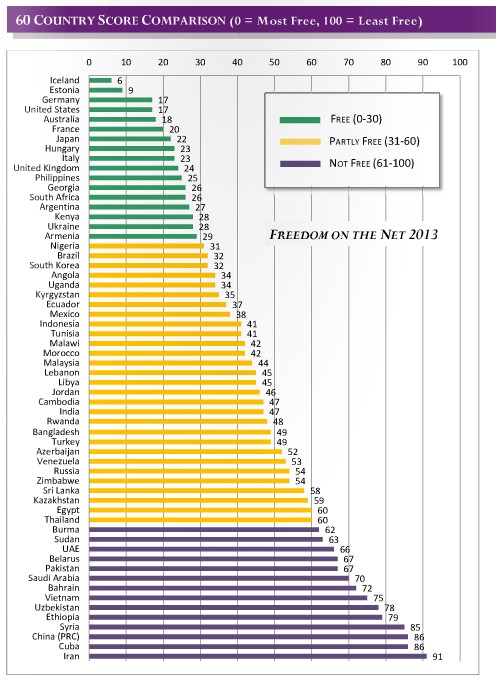 In a country full of paradox, the Internet has been one of the biggestAuthorities allowed it to expand in the 1990s without any serious controls -- even as they hunted for illegal satellite television dishes and Western movie videos. The huge online appetite has been fed by thousands of Internet cafes, low-cost computers from East Asia and a rush of entrepreneurs offering Internet accounts.Other tightly run nations -- such as Saudi Arabia and China -- keep reins on the Internet. In Iran, almost anything is a click away. Beside blogging, Iranians spend time in chat rooms, download music, read poetry, visit any of the countless Farsi news sites or even surf the erotic offerings. At its present course, Internet usage in Iran is expected to grow sevenfold to 15 million users by 2006, according to studies cited by the Middle East Economic Digest. More than half of Iran's 68 million are under 25 years old and hungry for the Web.
Population:
Age structure:
Median age:
Iranian-Americans reported among most highly educated in U.S.
|
 Questions, comments, or suggestions?
Send us feedback.
Questions, comments, or suggestions?
Send us feedback.

| |
|---|

 .....
.....